Responsible procurement: building sustainability into every material choice
By Danielle Bennett, ESG Manager.
When we first began looking seriously at what becoming B Corp™ Certified meant for us, one of the things it challenged us to do was look beyond our own four walls.
It made us think much more carefully about the decisions we make every day – including what we buy, who we buy it from, how we use materials and what happens to them when they are no longer needed.
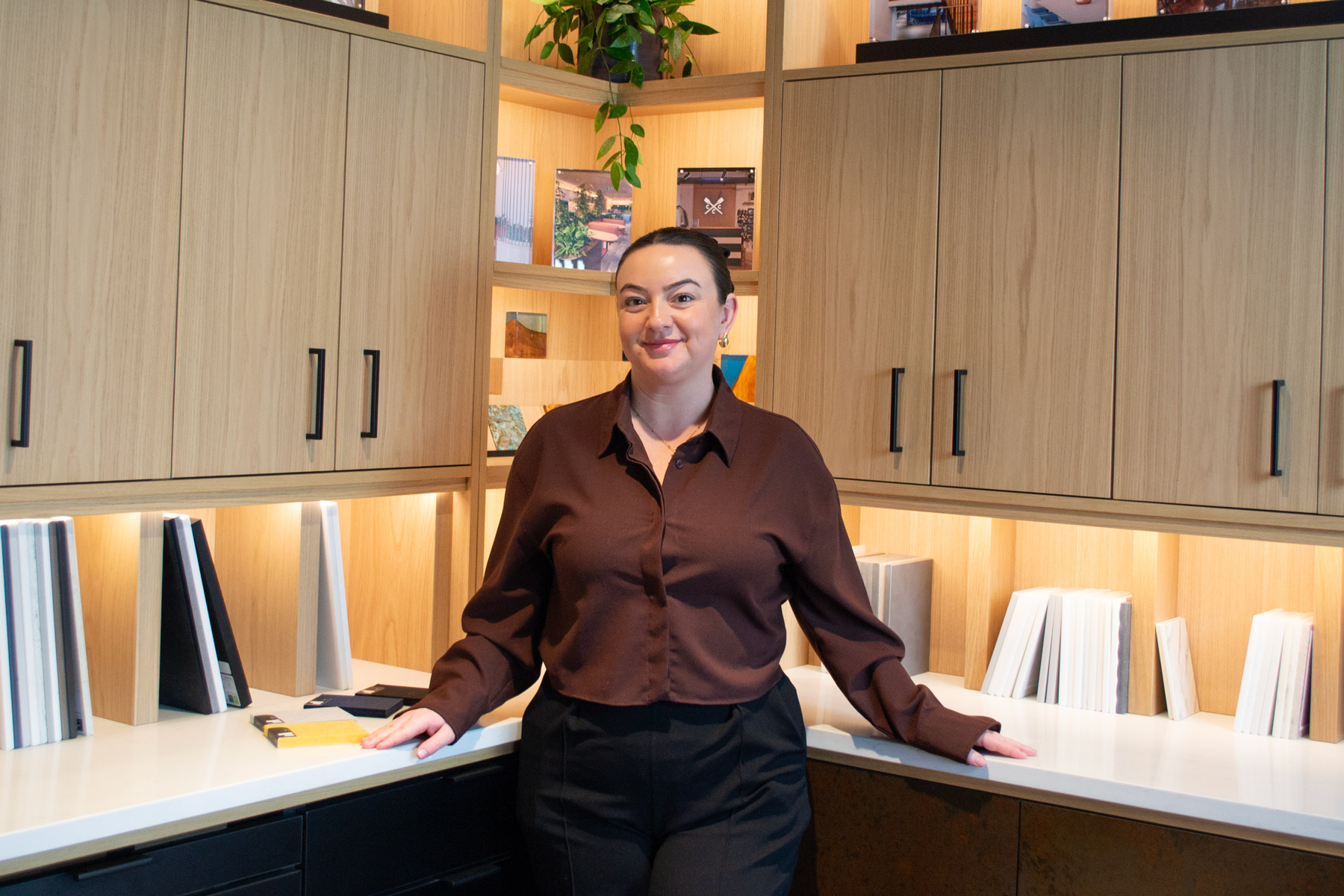
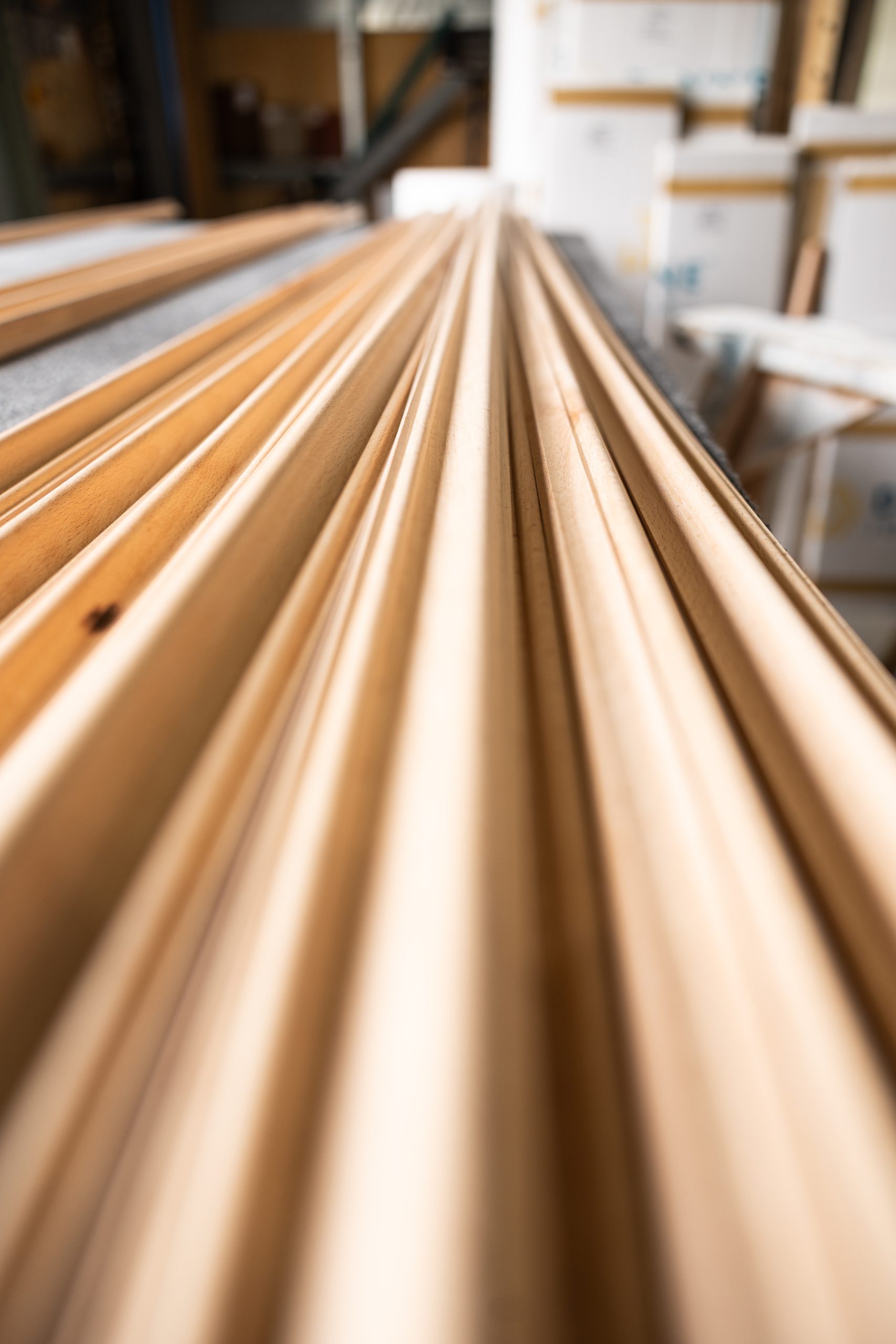
For Denne Joinery, responsible procurement is particularly important because materials are at the heart of what we do. The choices we make at the beginning of a project can have an impact right through to its completion and beyond.
Our B Corp™ journey helped us put greater structure around those decisions. It also reinforced something that I think is hugely important: responsible procurement isn’t about finding a single ‘sustainable‘ product or project and considering the job done. It’s about asking better questions throughout the process.
Looking beyond the purchase price
We now consider procurement from a whole-life cost perspective, with a preference for ethical and appropriately certified products wherever possible. That means looking at the credentials of the products we use, thinking about the businesses behind them and whether our suppliers and subcontractors share our values and sustainability goals.
Where relevant, sustainability and business requirements are incorporated into our sub-contracts and we work with suppliers to support them in meeting those expectations. We’ve also developed more consistent goals for our supply chain, giving us a clearer way of measuring strategic performance and identifying where there is room to improve.
For clients, this provides greater confidence that sustainability isn’t simply being considered at the point a material is specified. There is a process behind those decisions and a way of tracking whether we’re doing what we said we would do.
Making materials accountable
On projects, all materials brought to site for installation are checked by the Project Sustainability Advisor against the relevant aims, objectives and targets. Their sustainability credentials are recorded on a project materials database alongside their respective certifications. This gives us a much clearer picture of the materials being used and allows us to track compliance with agreed sustainable procurement targets.
It’s a relatively straightforward process, but I think the discipline of recording and checking these things is important.
If we want to improve, we need to be able to see where we are starting from and understand the decisions being made. Regular inspections are also carried out throughout the project in line with our ISO 14001 Environmental Management System. The findings are shared with subcontractors, because responsible environmental management can’t sit with one person or one department. Everyone involved in delivering a project has a role to play.
Reducing waste starts with better decisions
Procurement and waste are closely connected.
One of the best ways to deal with waste is not to create it in the first place, so we prioritise efficient design and production methods that minimise material waste from the outset. Where surplus materials do arise, we look for opportunities to repurpose them within our operations or donate them for reuse. Recyclable materials are carefully sorted and processed, while we deliberately avoid sending non-recyclable waste to landfill wherever possible.
We also have an internal monitoring and reporting tracker, which helps us understand what is happening in practice rather than relying on assumptions. Our relationship with East Kent Recycling is another part of this approach. They are a local provider that shares our values and operates with a zero-to-landfill policy. Working with a partner like this helps us move towards more circular solutions for materials that might otherwise have been treated simply as waste.
What comes next
One of the biggest lessons from becoming a B Corp is that certification isn’t the end of the conversation. It gives you a framework for looking honestly at how you operate, but the real value comes from continuing to ask what could be better.
For us, that means continuing to challenge our supply chain, look for more responsible and innovative materials, reduce waste and find opportunities to reuse more. It also means sharing what we learn. If we develop an approach that works, we want to be able to share that best practice across the supply chain and encourage others to make similar improvements.
Ultimately, responsible procurement is about recognising that every purchase is a decision. At Denne Joinery, we want those decisions to contribute to better environmental outcomes, stronger supply-chain relationships and better long-term value for our clients.
That’s the direction we’re continuing to travel in – and becoming B Corp Certified has given us an even stronger framework for keeping ourselves accountable along the way.