The next steps: Making every material choice count
By Danielle Bennett, ESG Manager.
B Corp CertificationTM is an important milestone, but for me, it has never been about having another badge to put on our website. It’s about what we do with it.
At Denne Joinery, one of the most practical ways we can demonstrate our commitment to responsible business is through the materials we choose, how we use them and what happens to them once they’ve served their purpose.
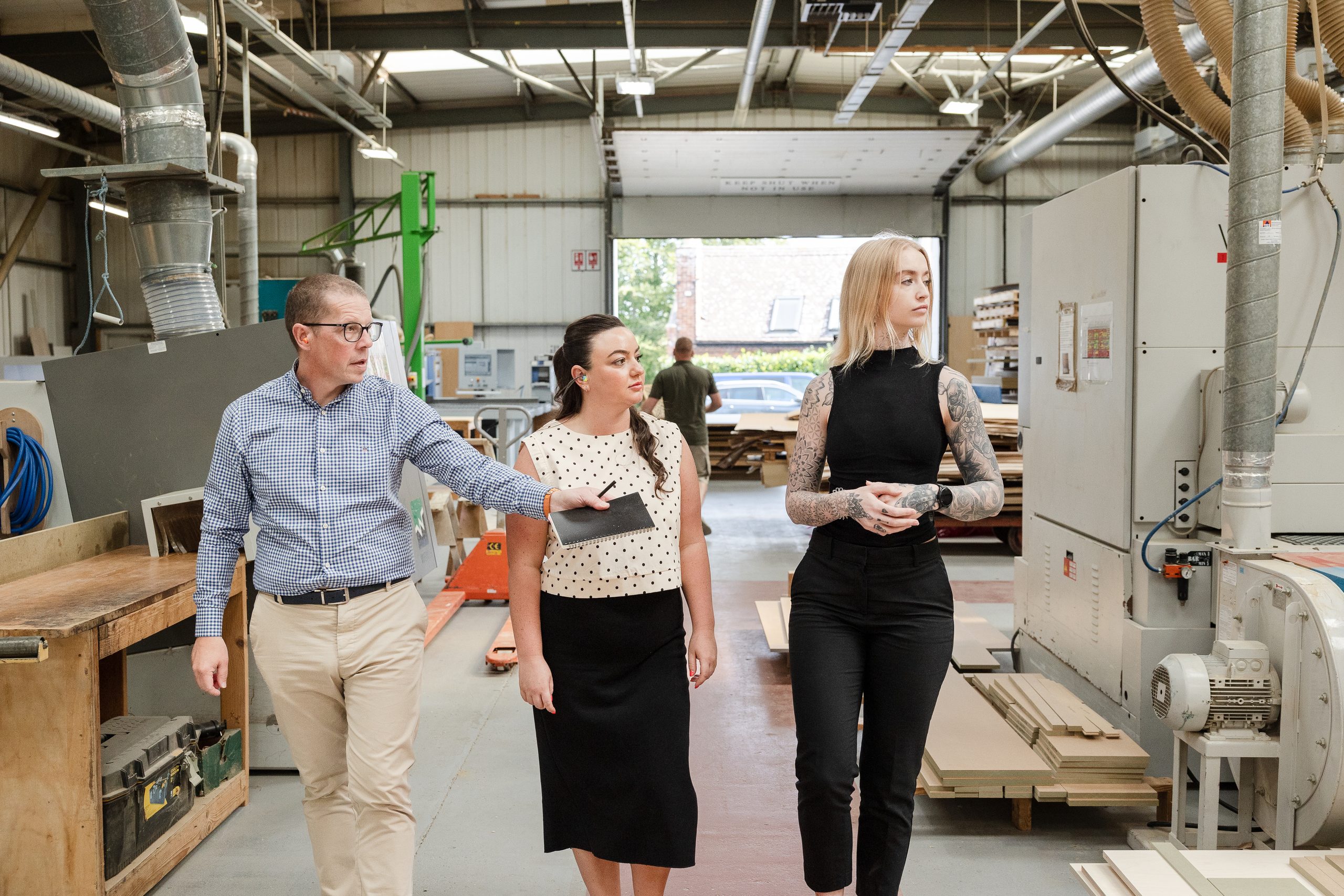
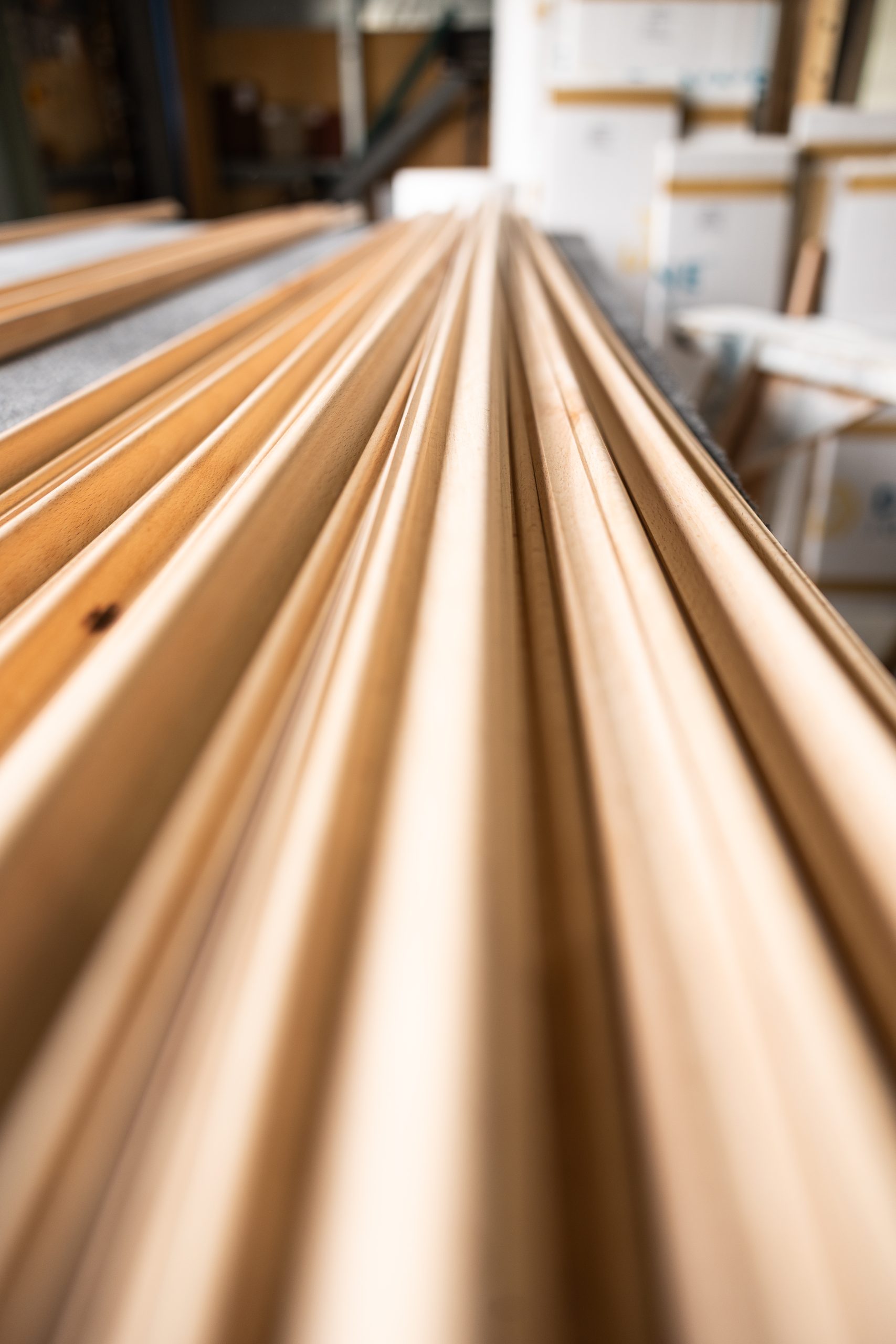
Materials are at the heart of what we do, so the decisions we make around procurement, production and waste have a real part to play in our environmental impact. Our B CorpTM journey has encouraged us to look more closely at those decisions and consider where we can make improvements.
We have goals to work towards over the next three years, covering both our environmental responsibilities and our people. My priority is to make sure those goals are meaningful and achievable. Rather than making huge promises, we want to focus on practical changes we can deliver, measure and build on over time.
Looking more closely at the materials we use
Responsible material selection starts with asking the right questions.
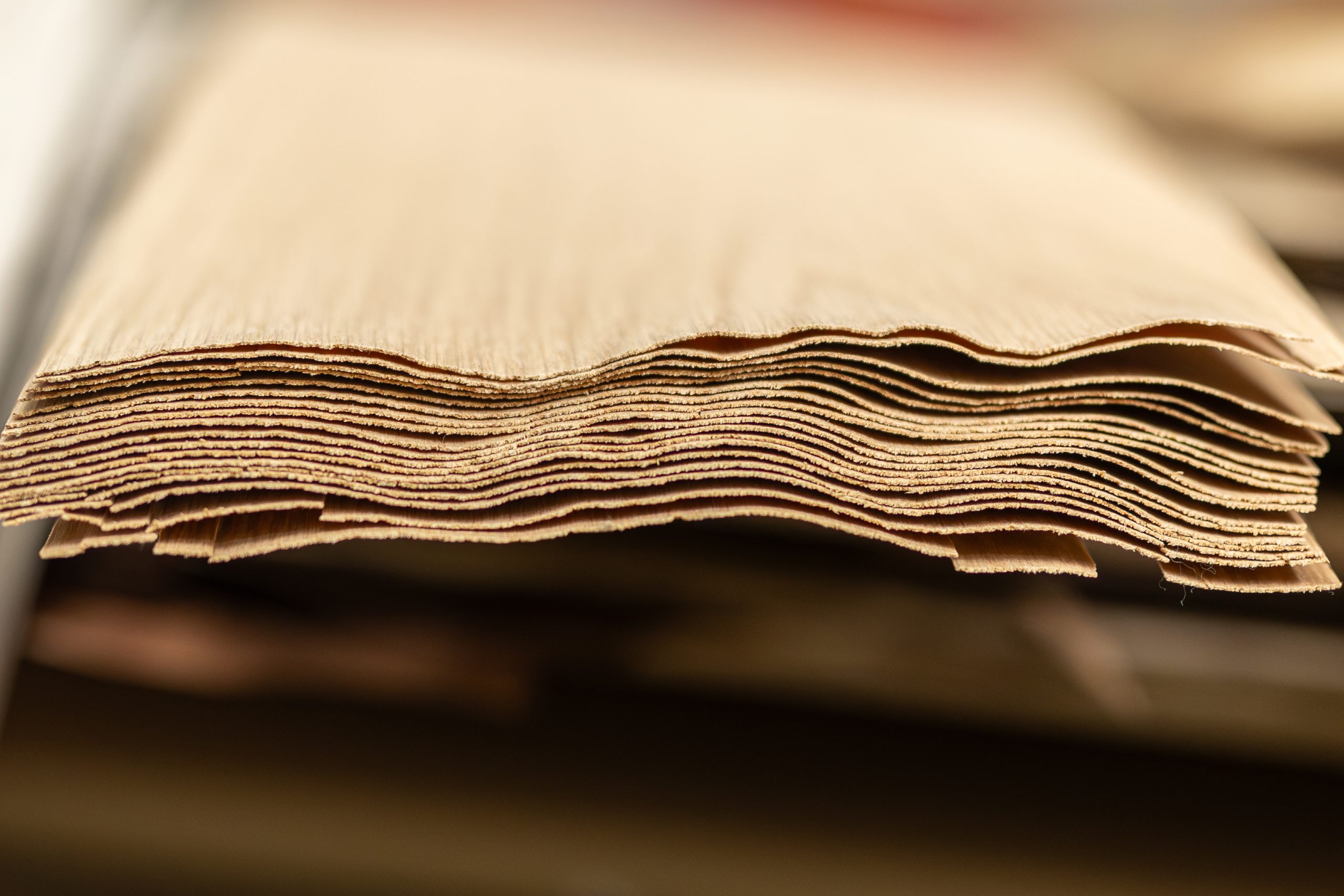
As an FSC®-certified business, responsible material sourcing is an important part of how we operate at Denne Joinery. It supports our commitment to making considered choices about the materials we use and to taking our environmental responsibilities seriously. For us, certification is an important foundation, but it’s also about how we put those principles into practice every day, from procurement and production through to reducing waste and making better use of resources.
Our approach includes working with suppliers and subcontractors who share our values and sustainability goals. By integrating relevant requirements into our sub-contracts and supporting our suppliers in meeting those expectations, we can encourage more responsible choices throughout our supply chain.
On projects, all materials brought to site for installation are checked by the project Sustainability Advisor against the agreed sustainability aims, objectives and targets.
Their credentials and relevant sustainability certifications are then recorded on a project materials database. This gives us a clear record of the materials being used and helps us monitor performance against our sustainable procurement commitments.
For me, this is an important distinction. It’s not enough to say we care about the materials we use; we need processes that help us demonstrate that care in practice.
Making better use of materials
Choosing materials responsibly is only part of the challenge. We also need to consider how efficiently we use them.
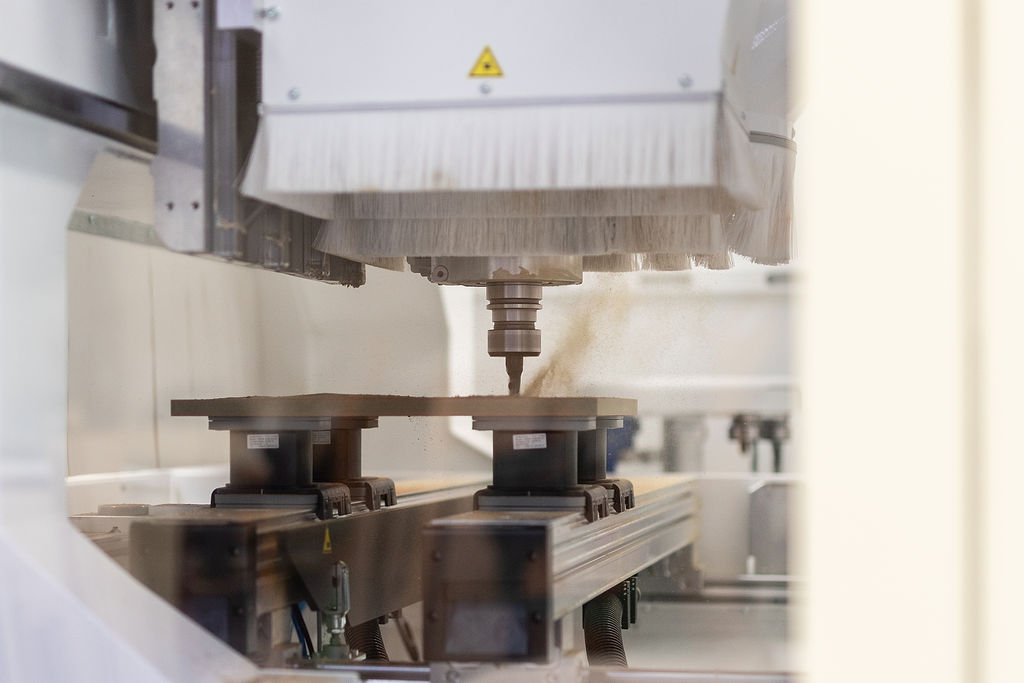
Reducing waste at source is a priority for us, which is why we focus on efficient design and production methods to minimise unnecessary material waste from the outset.
Where surplus materials do arise, we look for opportunities to repurpose them within our operations or donate them for reuse. Materials that can be recycled are carefully sorted and processed, while we aim to avoid sending non-recyclable waste to landfill wherever possible.
These decisions may seem like small steps individually, but they form part of a wider approach to using resources more responsibly.
We also have an internal monitoring and reporting tracker to help us understand our waste performance and identify opportunities for improvement. Having that information allows us to review what we’re doing and consider where we can make further changes.
Our relationship with East Kent Recycling supports this approach. As a local provider that shares our values and operates with a zero-to-landfill policy, they help us work towards more sustainable, circular waste solutions.
Ultimately, the more effectively we can manage materials throughout their lifecycle, the greater the opportunity to reduce unnecessary waste and make better use of the resources available to us.
Building responsibility into our supply chain
We recognise that responsible material choices don’t happen in isolation. Our suppliers and subcontractors are important partners in achieving our sustainability objectives.
We aim to work with businesses that share our values and are willing to engage with our environmental goals. Establishing consistent expectations across our supply chain also gives us a better basis for reviewing performance and identifying opportunities to improve.
Regular project inspections, carried out in line with our ISO 14001 Environmental Management System, help us monitor environmental management throughout a project’s duration. Findings are shared with subcontractors to encourage active engagement and a shared approach to sustainability on site.
By working collaboratively, we can explore innovative solutions, exchange best practice and continue improving the way materials are sourced, managed and used.
For our clients, this creates a more considered approach to procurement, with clearer records of material credentials and a process for monitoring performance against agreed sustainability targets.
Measuring progress, not making promises
One of the biggest lessons from our B Corp journey is that responsible business requires us to look beyond our intentions.
We need to understand where we are now, identify where improvements are possible and set goals that we can realistically achieve.
Over the next three years, we want to continue building on our existing practices, particularly in how we select materials, reduce waste and work with our supply chain.
Our ISO 14001 Environmental Management System supports this ongoing process through regular reviews and the monitoring of energy, waste and water consumption. It helps us assess our environmental performance, identify areas for improvement and maintain accountability.
We also need to recognise that progress takes time. Some changes will be straightforward, while others will require collaboration, planning and investment. What’s important is that our goals remain achievable and that we continue to measure our progress honestly.
I would much rather see us make a series of meaningful improvements that deliver lasting value than commit to ambitious targets that we cannot realistically meet.
Making every material choice count
For me, B Corp Certification is not the end of our sustainability journey. It’s a framework that encourages us to keep asking questions about how we operate and where we can do better.
At Denne Joinery, materials provide a practical place to start. We can consider what we buy, how responsibly it has been sourced, how efficiently we use it and what happens when it is no longer needed.
Each of those decisions presents an opportunity to improve, and by recording our performance and reviewing our processes, we can make those improvements more tangible.
Our ambition over the next three years is to keep moving forward in a way that is both responsible and realistic, while recognising that our people are just as important to our success as our environmental performance.
Ultimately, we want our commitment to sustainability to be visible in the way we work every day. Not just in what we say about ourselves, but in the choices we make, the materials we use and the progress we can demonstrate.